

Most people book a trip to the Algarve, look at a map, and assume the surf is wherever the beaches are. Then they arrive in July, drive to the nearest beach south of Faro, and find water like a swimming pool. It is not bad luck. The Algarve has two coastlines that face in completely different directions, and picking the wrong one for the time of year is the single most common mistake visiting surfers make.
Here is how to choose, month by month, written from the side of the region where we actually live.
Two coasts, two different oceans
The south coast runs east to west, from the Spanish border past Faro and Albufeira to Lagos. It faces south. Almost all Atlantic swell in this part of the world arrives from the northwest, and Cape St Vincent at the southwestern tip blocks it. That is why the south coast is calm, warm and family friendly for most of the year, and why it is usually flat in summer.
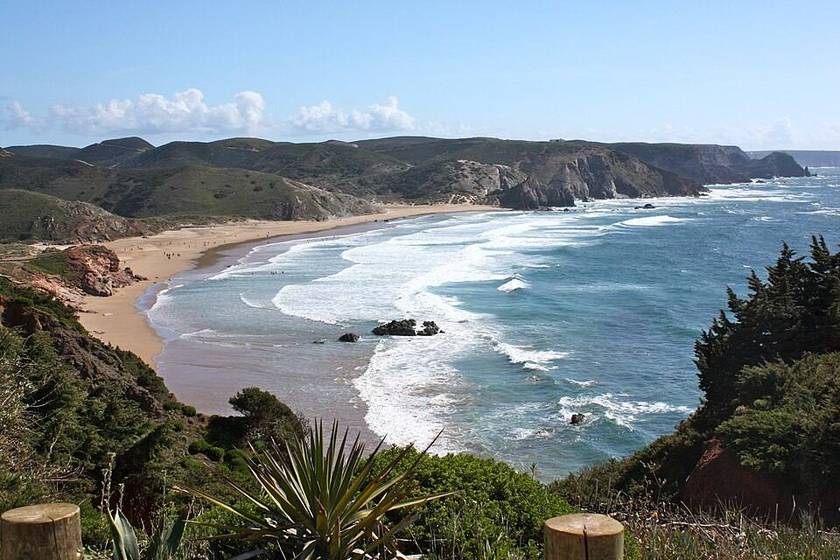
The west coast runs north to south along the Costa Vicentina, from Sagres up past Arrifana, Carrapateira and Odeceixe. It faces the open Atlantic and catches everything. It has waves almost every day of the year, which is the good news and also the problem, because in winter it regularly gets bigger than a beginner should be anywhere near.
Sagres sits on the corner where the two meet, and that is the useful part. Within about fifteen minutes of Sagres you can reach west-facing beaches like Tonel and Beliche and south-facing ones like Mareta and Martinhal. When the west is too big, the south side of the same town is often perfect. No other part of the Algarve gives you that choice in one drive.
Season by season
Spring, March to May
Quietly the best-kept secret of the year. The winter storms have eased, so the west coast drops into a size beginners can handle, but the swell has not disappeared yet. Beaches are empty, the wind is usually lighter than in summer, and you can often surf Arrifana or Amado in the middle of the day without a crowd.
The catch is water temperature. March is the coldest month of the year in the sea here, colder than January, because the ocean lags months behind the air. Bring or rent a proper suit and it is a great time to learn.
Summer, June to August
The south coast is usually flat. If you have come to Faro in August specifically to surf, plan on driving west, and plan on going early.
The reason is the nortada, the north to northwest wind that builds most summer afternoons. By one or two in the afternoon it can turn a clean west-coast beach into a mess of chop. Dawn to about eleven is the window. Locals treat this as normal and simply surf in the morning.
Summer swell is small, which suits complete beginners. A soft top at Amado or Bordeira on a July morning is close to ideal first-time surfing. It is also when the water is warmest, which makes the whole experience easier for anyone who has never worn a wetsuit.
Autumn, September to November
If you can choose your dates, choose these. The water is at its warmest of the entire year in September and October, warmer than in July. The summer wind has faded. The first proper Atlantic swells start arriving but have not yet turned into winter. The crowds have gone home.
September and October are the months we would pick for a surf trip here, and it is not close.
Winter, December to February
The west coast gets serious. Big, cold, powerful and often out of range for anyone in their first season. Experienced surfers travel here for exactly this, but if you are still learning, winter is the season to think differently.
This is when the south coast becomes interesting. It takes a large swell from the south or southwest to reach in past Cape St Vincent, and that mostly happens in winter. When it does, beaches near Albufeira, Armacao de Pera and Praia da Rocha pick up small, gentle, clean waves in water that is protected from the northerly wind. Locals watch for it. Most visitors never know it happens.
What to wear
Simpler than most guides make it. Sea temperature here runs between about 16 and 22 degrees across the whole year, and a 3/4mm full suit covers all of it. That is what we rent and what people here actually wear in February and in August.
In the depths of winter some people add surf socks and gloves. That is the only seasonal change most surfers here make. The full month by month breakdown, including why the water is coldest in March rather than January, is in our Algarve wetsuit guide.
One thing worth carrying over: the west coast reads a degree or two colder than the Faro numbers in summer, because cold water rises along that coast when the north wind blows. Boardshorts that are fine at Praia de Faro in August can be a short session at Arrifana on the same day.
How far you actually have to drive
Approximate driving times from Faro Airport:
| Praia de Faro | 10 minutes | Not a surf beach most days, but the closest water to the airport |
| Albufeira and Gale | 45 minutes | South coast, worth checking on a big winter swell |
| Praia da Rocha, Portimao | 1 hour | Same, and easy to combine with a town day |
| Sagres | 1 hour 20 | The safest single choice if you do not know the forecast |
| Arrifana | 1 hour 30 | Sheltered bay, works when other west spots are too big |
| Amado and Bordeira | 1 hour 45 | Wide beach breaks, the classic Algarve learning spots |
None of that is a day trip you regret. The whole coast is reachable and back before dinner.
The board question
The one thing that does not travel well is the board. Airlines charge fifty euros and up each way for a board bag on the routes into Faro, and that is before you find out whether it survived the baggage handling. We wrote a separate piece on what the airlines charge and when renting works out cheaper.
We are about 1.5 km from Faro Airport, which means you can collect a board on the way out of arrivals and be in the water the same morning. Softboards in 7 ft, 8 ft and 8 ft 6 for beginners and improvers, and 3/4mm wetsuits in all sizes. Roof straps are available to rent if your hire car has no rack.
If you are still deciding, start here: surfboard rental in Faro.
Where to go once you have picked a coast
This piece is about the decision, which coast and which month. If you want the spot by spot detail, our sister company Ocean Camper has a much longer guide covering Zavial, Mareta, Tonel, Beliche, Amado, Arrifana and the Alentejo beaches, written for people driving the coast in a campervan: surfing in Portugal, the best Algarve and Alentejo beaches.
We stick to the gear and the logistics side. They cover the road trip.
Photo credits
Amado Beach photo by Kyle Taylor, licensed under CC BY 2.0, via Wikimedia Commons. Resized for this page.
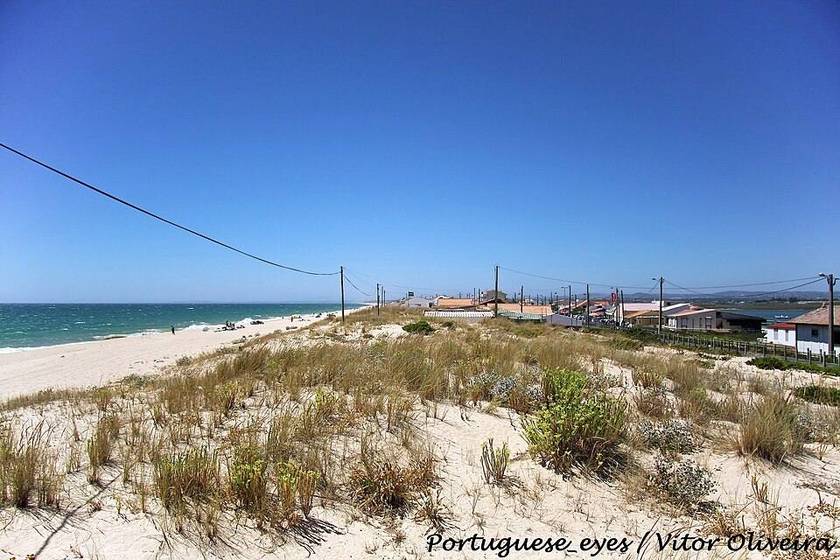
Praia de Faro photo by Vitor Oliveira, licensed under CC BY-SA 2.0, via Wikimedia Commons. Resized for this page.
Book your gear
Everything here is collected 1.5 km from Faro Airport, on the way in from arrivals. Pick your dates and check availability below.
Faro Surf Rentals
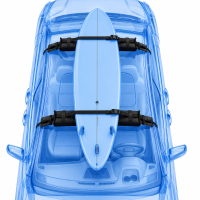
Carries up to 3 surfboards.
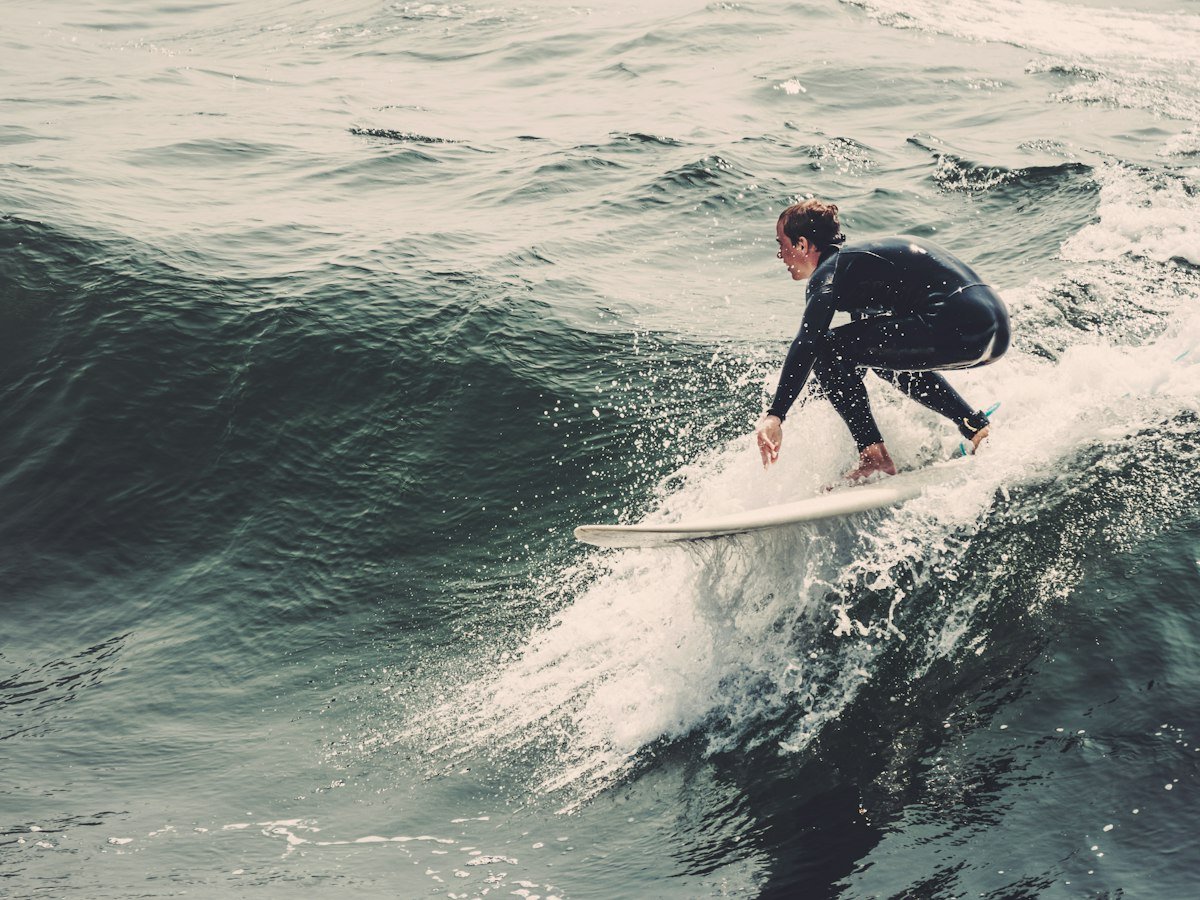
1 soft surfboard and 1 wetsuit for 28 to 30 days, November to March. For long stays in the quiet season.
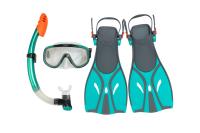
Snorkel set: mask, snorkel and fins (shoe sizes 37-38, 39-42, 43-45).


.jpg)